

- 0 评论
- 经过 Minase Suiren
Discover the art of Japanese lacquerware: Complete 2026 guide for enthusiasts
- 0 评论
- 经过 Minase Suiren
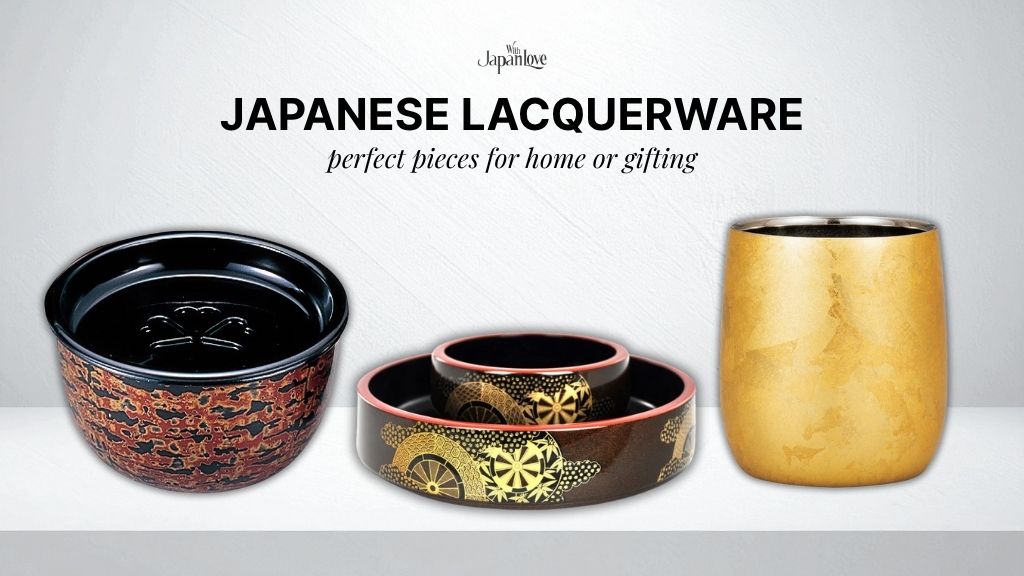
Japanese lacquerware is more than elegant tableware or decorative art, it embodies centuries of precision, craftsmanship and cultural heritage. In this guide, Japan With Love presents a curated collection of Japanese lacquerware, exploring traditional and modern styles, the rich Japanese lacquerware history and practical tips so collectors, chefs, and enthusiasts can select the perfect pieces for home or gifting.
Japanese lacquerware (urushi) is a traditional craft that has evolved over millennia. Its Japanese lacquerware history dates back to the Jomon period (around 10,000 BCE), with techniques passed down through generations of skilled artisans. Originally, lacquerware served both functional and decorative purposes, providing durable, water-resistant surfaces for tableware, storage boxes, and ceremonial items often seen in Japanese home accessories.

Regional varieties of Japanese lacquerware reflect local materials, techniques, and aesthetics:
These regional styles highlight the artistry and innovation of Japanese lacquerware artisans, making every piece unique. Collectors often seek Japanese lacquerware Kyoto or Tokyo editions for their signature craftsmanship.
The creation of Japanese lacquerware urushi is a meticulous, labor-intensive process. It involves several steps to ensure the perfect finish, resilience, and depth of color:
This detailed approach is what gives Japanese lacquerware its elegance, durability, and distinctive glossy finish, whether it’s a Japanese lacquerware box, a Japanese lacquer tray, or Japanese lacquer bowls for daily use.

Japanese lacquerware comes in many forms, each suited for different uses and aesthetics. Below, we explore the main types, highlighting their unique characteristics and how they are used in daily life or as collectible items.
Everyday lacquerware combines utility with subtle beauty. Items like Japanese lacquer plates, bowls, and trays are lightweight, durable, and resistant to stains. They are designed to enhance mealtime without damaging knives or utensils, especially when paired with sharp Japanese cutlery commonly found in Japanese kitchen accessories. Many households favor Japanese lacquerware set for daily dining, as the surfaces are gentle on utensils while maintaining elegance.
Key features:
Best for: Home use, casual dining, daily meals

Explore Fukui Craft Abs Resin Sushi Tub 24.5cm today for best deals
Decorative lacquerware elevates interiors and gifting experiences. Pieces such as Japanese lacquer jewelry box, vintage Japanese lacquer jewelry box, or specialty black lacquer jewelry box from Japan are handcrafted for both aesthetic and functional purposes. They often feature inlaid designs, gold accents, or intricate carvings, making them cherished keepsakes. These items are also commonly displayed or stored alongside curated Japanese storage and carriers solutions to preserve their quality and presentation.
Key features:
Best for: Collectors, home décor, gifts

Shop Shinkoukinzoku Plastic Waste - Water Container today for best price
Luxury and limited-edition lacquerware pieces are museum-quality and often commissioned by artisans for display or ceremonial use. These can include high-end Japanese lacquerware plates, specialty Japanese lacquerware box, or elaborate Japanese lacquerware urushi lacquer pieces with gold leaf or layered lacquer effects. Such items are often sought after by art collectors and connoisseurs worldwide.
Key features:
Best for: Art collectors, ceremonial use, luxury décor

Browse Mitani Sake Cup Shochu Cup at Japan With Love
Japanese lacquerware stands out for its resilience, aesthetic elegance, and functional design. Unlike other coatings or decorative techniques, urushi lacquer forms a natural, durable, and water-resistant surface that improves with age. Its key benefits include:
From simple Japanese lacquerware plates to ornate Japanese lacquerware Kyoto or Japanese lacquerware urushi lacquer, the craftsmanship ensures each object is a fusion of art and functionality.

To maintain the elegance and longevity of your Japanese lacquerware, proper care is essential:
Following these Japanese lacquerware care practices ensures each piece maintains its beauty and functionality for decades.

Below are answers to some of the most frequently asked questions about Japanese lacquerware, covering materials, usage, authenticity, and care tips to help you make the most of your collection.
Japanese lacquerware is primarily made from urushi sap, applied over wood, bamboo, or composite bases, sometimes with decorative inlays of gold, silver, or mother-of-pearl.
Locally, it is known as urushi, representing both the raw lacquer and the finished craft.
Authentic lacquerware has a glossy, deep finish that feels smooth to touch. Lightly tapping produces a solid, not hollow, sound, and smell tests often reveal a subtle natural resin aroma.
Lacquerware plates, bowls, and trays are suitable for both everyday meals and special occasions, but avoid extreme heat, acidic foods, or long soaking in water.
Prices vary from affordable Japanese lacquerware for sale items to luxury vintage Japanese lacquer jewelry box or collector pieces, reflecting materials, craftsmanship, and rarity.

Minase Suiren
Minase Suiren is a seasoned cultural writer and lifestyle curator focusing on Japanese beauty rituals and everyday aesthetics. She holds a master’s degree in intercultural communication from Waseda University with a research focus on beauty norms and gender identity in modern Japanese media.


分享:
Best rice for sushi: Top Japanese picks and pro tips for perfect rolls
Japanese chopsticks 2026 guide: Tradition, etiquette & 10+ best picks