

- 0 评论
- 经过 Yuzuki Tsukihana
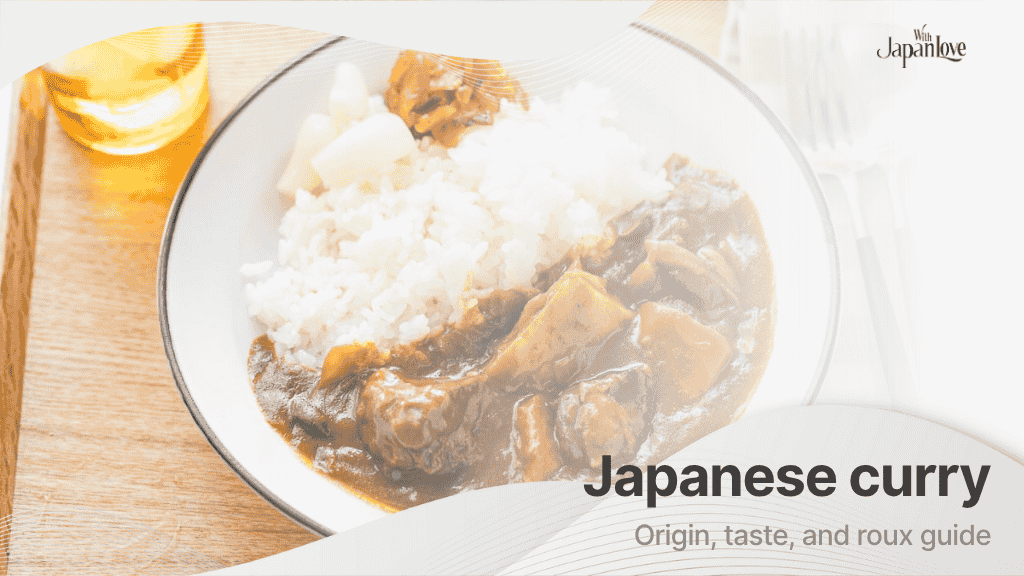
Japanese curry 2026 essentials: Origin, taste, and roux guide
- 0 评论
- 经过 Yuzuki Tsukihana
Japanese curry is one of the most beloved dishes in Japan, and at Japan With Love, we’re bringing its irresistible charm right to your kitchen. Whether you’re exploring what Japanese curry is made of, curious about its unique roux, or ready to learn how to make Japanese curry at home, this complete guide will take you through everything you need to know for a perfect, authentic dish.
Japanese curry is one of Japan’s most beloved comfort foods, enjoyed by families, students, and office workers alike. Unlike the Indian or Thai versions, Japanese curry features a thicker, stew-like texture with a mild and slightly sweet flavor. It has become a national dish that perfectly blends Japanese culinary culture with Western influences and traditional Japanese seasonings.

The origin of Japanese curry traces back to the late 19th century during the Meiji era. Introduced by the British Navy, curry powder was first served on Japanese ships to prevent malnutrition. Over time, Japanese cooks adapted the recipe, creating a milder and sweeter variation that suited local tastes. The result was a unique dish that quickly became a staple in Japanese households, schools, and restaurants.
Today, curry rice (known as kare raisu) is one of the most popular dishes across Japan. From home kitchens to convenience stores, Japanese curry represents warmth, nostalgia, and simplicity in every bite. It’s also a dish that continues to evolve, with new variations and instant curry mixes making cooking easier than ever.
When you ask, what does Japanese curry taste like?, imagine a rich, comforting stew that’s mildly spicy, slightly sweet, and bursting with umami flavor. Its signature taste comes from a balanced mix of curry powder, caramelized onions, apples, and soy sauce. This gives it a smooth and hearty consistency that coats every grain of rice perfectly.

Unlike the heat-forward Indian curry or the creamy coconut Thai curry, Japanese curry offers a round, mellow flavor. It’s designed to comfort rather than challenge the palate, making it a perfect dish for all ages. You can customize the flavor by adding different roux brands, fruits like honey or grated apples, or extra chili for spice.
The taste profile of Japanese curry can be described as:
Whether enjoyed as Japanese chicken curry, beef curry, or katsu curry, its signature balance of flavors remains consistent and satisfying.
While curry originated from India and traveled through Britain to Japan, the Japanese have turned it into something uniquely their own. What makes curry Japanese lies in how it’s prepared, served, and eaten. Compared with Indian curry, often discussed in Japanese curry vs indian curry comparisons, Japanese curry focuses more on thickness, sweetness, and comfort rather than heat and spice intensity.

Japanese curry is thickened with a roux block made of butter, flour, and curry powder. This gives it a creamy consistency similar to a stew rather than a soup. The flavor is gentle, focusing on depth instead of heat. It’s also incredibly versatile, used across various dishes and forms. Here are the main types of Japanese curry dishes:
By form:
By dish style:
By regional styles:
Each variation highlights how Japanese style curry can adapt to local preferences and lifestyles.
At its heart, Japanese curry is simple, wholesome, and flexible. While recipes may vary, most use the same key ingredients that define its signature taste and texture.
Core components include:
Optional regional variations:
Some recipes feature mushrooms, boiled eggs, or seafood. In modern versions, vegan or plant-based proteins are also becoming popular.
If you wonder what is Japanese curry made of, it’s mostly a mix of these ingredients combined with a store-bought or homemade curry roux. The roux is the heart of the dish, setting it apart from other curries worldwide.
Learning how to make Japanese curry is easy, even for beginners. With the help of Japanese curry cubes or roux, anyone can recreate authentic flavors at home.

Here’s how to make Japanese curry rice:
This method can be used for Japanese chicken curry, beef curry, or even vegan curry by substituting meat with tofu or mushrooms. For busy cooks, try instant pot Japanese curry, which reduces cooking time without compromising flavor.
Before diving into Japanese curry recipes, understanding the best curry roux brands is essential. Each offers a unique flavor, spice level, and texture. Exploring popular Japanese curry brands will help you choose the right roux and define your curry’s taste and aroma.
Golden Curry by S&B is the most famous and widely used Japanese curry roux worldwide. It features a balanced, medium spice level suitable for all ages and dishes. Its aroma is mild yet rich, and it dissolves easily, creating a silky-smooth sauce.

Buy S&B Foods Extra Hot Golden Curry Roux Blocks 198G Spice Up Your Meals now
This curry is perfect for Japanese chicken curry or curry rice, offering a comforting, traditional flavor. Golden Curry is also available in mild, medium-hot, and hot versions to suit every palate.
Vermont Curry is famous for its gentle sweetness and apple-honey undertones. It’s especially popular with families and children who prefer mild flavors. The name “Vermont” reflects its inspiration from apple and honey-based health diets from the U.S.

Add Vermont Curry Medium Spicy 115G Japan 5Pk House to cart
This roux creates a beautifully thick and velvety curry sauce with a fruity aroma. Perfect for Japanese curry with chicken or vegetable curry, it offers a heartwarming sweetness balanced by mild spice.
Java Curry has a deeper, more aromatic profile compared to other brands. It features roasted spices and a hint of bitterness, giving it a rich and complex taste. Its sauce is slightly darker and spicier, ideal for adults who enjoy bold flavors.
This curry pairs perfectly with Japanese beef curry or katsu curry, balancing the richness of meat with the robust sauce. Java Curry’s aroma fills the kitchen, bringing a restaurant-quality taste to home dining.
Torokeru, which means “melting” in Japanese, is known for its luxurious texture and gentle taste. Its roux melts easily, creating a glossy, thick sauce that clings perfectly to rice or noodles. The flavor is balanced, creamy, and slightly sweet.
This curry is ideal for those who love a soft and smooth mouthfeel. It’s versatile enough to be used in curry Japanese rice, udon, or even baked curry dishes.
Kokumaro combines the richness of dark roux and the lightness of smooth roux, resulting in a perfect harmony of depth and sweetness. It’s one of Japan’s best-selling curry roux products because of its consistency and balance.

Buy House Foods Kokumaro Japanese Curry Roux Medium Hot 140G Flavorful Delight now
Kokumaro works beautifully in chicken curry Japanese recipes or curry Japanese rice, giving a restaurant-like depth of flavor. The double-roux design provides a lingering umami finish.
Japanese curry is more than just a meal, it’s a comforting tradition that captures the heart of Japanese home cooking. From its humble British origins to its modern-day variations, it continues to bring warmth and satisfaction to tables worldwide. Whether you’re new to cooking or a seasoned foodie, now is the perfect time to explore the delightful world of Japanese curry.
Before we wrap up, let’s address some of the most common questions people have about Japanese curry food. These quick answers can help beginners and enthusiasts alike understand this beloved dish better.
It’s called kare sauce or kare-ru in Japan. This sauce is thick, savory, and usually made from curry roux blocks mixed with sautéed vegetables and stock, creating a rich, stew-like consistency.
No, Japanese curry is generally mild compared to Indian or Thai versions. It focuses more on umami and sweetness than strong heat, making it suitable for all age groups.
Japanese people usually enjoy curry with steamed white rice, pickled red ginger (beni shoga), or breaded cutlets like chicken katsu. It’s also common with noodles such as udon.
That red garnish is fukujinzuke, a type of Japanese pickle made from daikon, lotus root, and cucumber. It adds a crunchy texture and a slightly sweet contrast to the curry.
The brown color comes from caramelized onions, roux, and curry powder. These ingredients combine during cooking, creating a rich, glossy brown hue full of flavor.

Yuzuki Tsukihana
Yuzuki Tsukihana is a Japanese beauty writer and researcher with over 8 years of experience in the skincare and cosmetics industry. She holds a Master of Science in Cosmetic Science from the University of Cincinnati (USA), where she specialized in skincare formulation, ingredient efficacy, and product safety.


分享:
20+ popular Japanese seasonings, spices, condiments to try in 2026
Japanese curry vs Indian curry: Flavor, ingredients & cooking style