

- 0 commentaire
- par Yuzuki Tsukihana
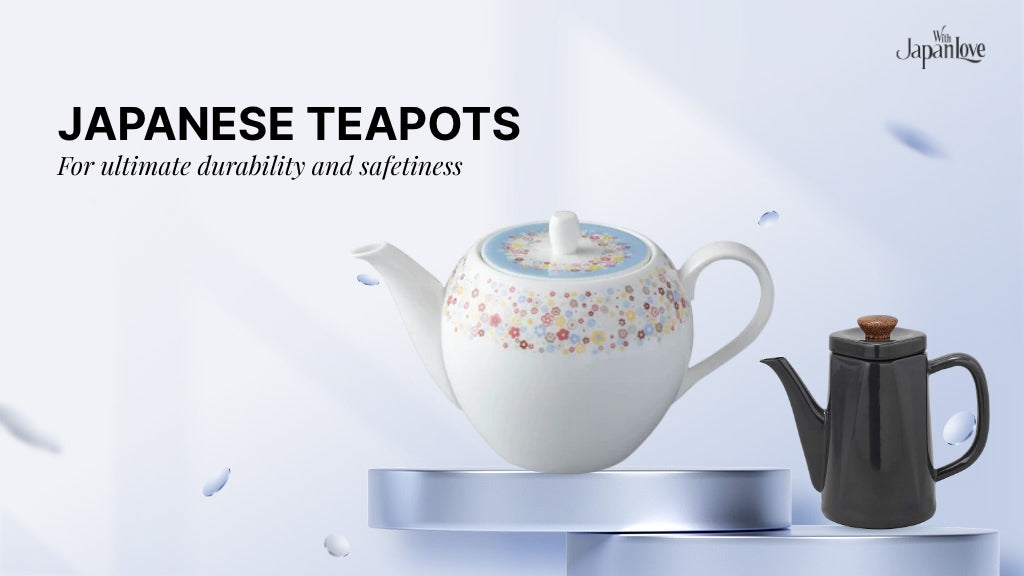
10+ best Japanese teapots for ultimate durability and safetiness
- 0 commentaire
- par Yuzuki Tsukihana
A Japanese teapot isn’t just a tool for brewing tea, it’s a symbol of harmony, craftsmanship, and the timeless beauty of Japanese culture. Whether you’re a casual tea drinker or a dedicated connoisseur, owning a Japan-made teapot transforms every cup into a serene ritual. Renowned for their durability, safety, and elegant design, Japanese teapots blend traditional artistry with modern functionality to deliver the purest, most flavorful brews.
In this guide, Japan With Love’ve gathered the 10+ best Japanese teapots that promise not only long-lasting quality but also an authentic tea experience you’ll treasure every day.
A Japanese teapot is more than just a vessel for brewing tea, it’s a perfect balance of craftsmanship, culture, and functionality. Made with meticulous attention to detail, a Japan-made teapot enhances not only the flavor of your tea but also the mindfulness of your brewing experience. Each pot reflects Japan’s centuries-old ceramic and metalworking traditions, where form and function coexist beautifully. Whether you’re savoring sencha, gyokuro, or hojicha, using a Japanese teapot allows you to experience tea the way it was meant to be enjoyed with purity, precision, and peace.

Unlike ordinary teapots, Japanese teapots are engineered to bring out the best in delicate tea leaves. The materials, such as cast iron, Tokoname clay, or heat-resistant glass, maintain the perfect brewing temperature and extract subtle flavors. This is especially important when brewing high-quality leaves from renowned best Japanese green tea producers, where even slight temperature differences can affect taste.
Understanding the types of Japanese teapots helps you choose one that best fits your brewing habits and aesthetic preferences:
Each type reflects a unique tea philosophy, from rustic minimalism to intricate artistry. Choosing the right teapot also depends on what you drink most often, as different types of Japanese green tea require specific water temperatures, steeping times, and pouring styles to fully express their aroma and flavor.
Japanese teapots are more than just kitchenware, they’re symbols of craftsmanship and cultural elegance. Below are over 10 of the best Japanese teapot models known for their durability, safety, and beauty. Each teapot is described in detail, so you can find the perfect one for your brewing style.
The Narumi Portulaca Blue Teapot is a graceful porcelain piece painted with delicate blue floral motifs. Crafted with durable porcelain, it balances aesthetic charm with utility, safe for microwave and dishwasher use under normal conditions. Its glazed finish helps reduce the risk of cracking, making it a dependable everyday teapot.

As a ceramic Japanese teapot, this model appeals if you want eye-catching beauty without constantly worrying about fragility.
The Iwaki Glass Teapot is made from heat-resistant borosilicate glass, letting you visually monitor tea leaves unfurl and color deepen as brewing proceeds. It includes an integrated infuser (stainless steel or glass) so loose-leaf tea is easy to brew without loose particles in the cup.
This type of Japanese glass teapot with infuser gives you control over steeping while maintaining clarity and purity in flavor.
The Noda Horo Anbi Electric Teapot fuses traditional style with electric functionality. It offers temperature control, keep-warm mode, and auto shutoff features, important for precision brewing, especially of delicate teas like green tea. The enamel-coated interior and exterior preserve flavor and resist discoloration. It’s a solid pick if you want both functionality and Japanese design in one unit.

The Hario Barley Teapot is a stylish, modern design in heat-resistant glass. Its outer form mimics barley grain ridges, offering both visual appeal and grip. With a built-in infuser, it handles loose-leaf tea without filtering tools.
As a Japanese teapot with infuser in glass, it’s an excellent choice for those who favor clarity and minimalism.
The Narumi Milano Bianca Teapot embodies luxury in Japanese porcelain. Crafted from fine bone china, it features a smooth white glaze with minimalist elegance. While not suitable for microwave or dishwasher use, it’s a collector’s favorite for its purity and refined look.

This piece stands out among antique Japanese porcelain teapots for its sophisticated craftsmanship, ideal for special tea sessions or display.
The Zero Japan Retro S Artichoke Ice Teapot is where modern charm meets traditional simplicity. Its glossy glazed ceramic body features a soft artichoke-like texture, creating a stylish blend of vintage and contemporary design.
This model doesn’t include a built-in strainer, but it’s compatible with separate tea filters. With its pastel tones and durable ceramic, it’s perfect for adding artistic flair to your daily brewing.
The Nanbu Tekki Brown Japanese Teapot is a masterpiece of craftsmanship from Iwate Prefecture, Japan. Made from solid cast iron, it’s built for superior heat retention and decades of durability. The enamel-coated interior prevents rust and makes cleaning simple.

Each vintage Japanese cast iron teapot is slightly different, often hand-hammered and finished with a warm brown tone that adds rustic charm to any setting.
The Yamakiikai Tokoname Pottery Dobin Teapot is handcrafted from natural Tokoname clay, one of Japan’s Six Ancient Kilns. This teapot embodies the wabi-sabi philosophy , natural beauty through simplicity and imperfection.
Its large 1.9 L capacity and bamboo handle make it perfect for family gatherings or tea ceremonies. Some models can even be used on direct heat or induction cooktops (IH 200V), showing how traditional design can meet modern needs.
The Sun Art Disney Winnie The Pooh Teapot brings a touch of whimsy to your tea routine. This teapot is made of porcelain and shaped like a “honeypot,” featuring a cute Winnie the Pooh motif. It’s both a functional teapot and a fun collectible.

Because it’s porcelain, it’s fairly durable if handled with care (avoid thermal shocks). It typically doesn’t include an integrated infuser, so you might want to use a separate fine strainer when brewing loose-leaf tea.
The Hario HCC-12-SG, also known as the Mizudashi Cold Brew Teapot, is a Japanese design made for cold brewing. Its heat-resistant borosilicate glass body pairs with a removable mesh strainer/basket so you steep tea leaves directly in cold water.
Though designed for cold brew, it is dishwasher safe (not for microwave or open flame). Its simplicity, clarity, and ease of use make it one of the best Japanese teapot with infuser options for iced tea lovers.
Owning a Japanese teapot means embracing a timeless art of tea-making, but to truly enjoy its beauty and function for years, proper use and maintenance are essential. Whether it’s a japanese cast iron tea pot, a ceramic japanese teapot, or a delicate japanese glass teapot with infuser, caring for it properly ensures the purest flavor and long-lasting quality.
Here are expert-backed tips to help you use, clean, and store your Japanese teapot like a true tea connoisseur.
Before brewing your first tea, take a moment to prepare your teapot, it helps enhance the aroma and longevity.

Cleaning depends on the material: cast iron, clay, or glass all need different care.
Proper storage ensures your teapot maintains both its appearance and function over time.

Choosing a Japanese teapot means embracing more than just a tea accessory, it’s an appreciation for Japan’s centuries-old artistry, mindfulness, and attention to detail. From sturdy Japanese cast iron tea pots to elegant porcelain kyusu teapots, each design offers a unique way to enhance your tea experience, ensuring both ultimate durability and safety with every pour.
Before you invest in a Japanese teapot, it’s natural to have questions about its origin, design, and usage. Below are the most common queries tea lovers ask, along with concise expert answers to help you make the right choice.
Japanese teapots, such as kyusu or tetsubin, focus on simplicity, natural aesthetics, and functional brewing, often featuring side handles and built-in strainers. Chinese teapots, like Yixing clay, emphasize artistry and tea ceremony precision. The Japanese version is designed for everyday use and consistency in green tea brewing.
Yes, a kyusu teapot is absolutely worth it if you enjoy Japanese green tea. Its side handle and fine mesh strainer allow precise control and smooth pouring. Made from Tokoname or Banko clay, it enhances tea flavor naturally, making every brew balanced, aromatic, and authentic.
It depends on the type. Japanese cast iron tea pots (tetsubin) without enamel interiors can go on the stove for boiling water. However, enamel-lined or ceramic Japanese teapots are for brewing only, never place them over direct heat. Always check the manufacturer’s care guide before use.
When choosing a kyusu teapot, consider the clay type (Tokoname or Banko), capacity, and strainer style. Tokoname clay is ideal for everyday green tea, while fine mesh strainers work best for loose leaves. Choose one that fits your brewing style and feels comfortable in your hand.
Japanese teapots are intentionally small because they’re designed for multiple short infusions, not large servings. This brewing style extracts maximum flavor and aroma from fine tea leaves, allowing better temperature control and a more refined tea experience. Smaller pots also encourage mindfulness and appreciation in each pour.

Yuzuki Tsukihana
Yuzuki Tsukihana is a Japanese beauty writer and researcher with over 8 years of experience in the skincare and cosmetics industry. She holds a Master of Science in Cosmetic Science from the University of Cincinnati (USA), where she specialized in skincare formulation, ingredient efficacy, and product safety.
Yuzuki Tsukihana
Yuzuki Tsukihana is a Japanese beauty writer and researcher with over 8 years of experience in the skincare and cosmetics industry. She holds a Master of Science in Cosmetic Science from the University of Cincinnati (USA), where she specialized in skincare formulation, ingredient efficacy, and product safety.


Partager:
10+ Must-try Japanese donabe pots for rice, hotpot & more
10+ Japanese kettles for safety, durability, and all-day hydration