

- 0 comments
- by Minase Suiren
Japanese fashion subcultures: Diverse and eye-opening world in Japan
- 0 comments
- by Minase Suiren
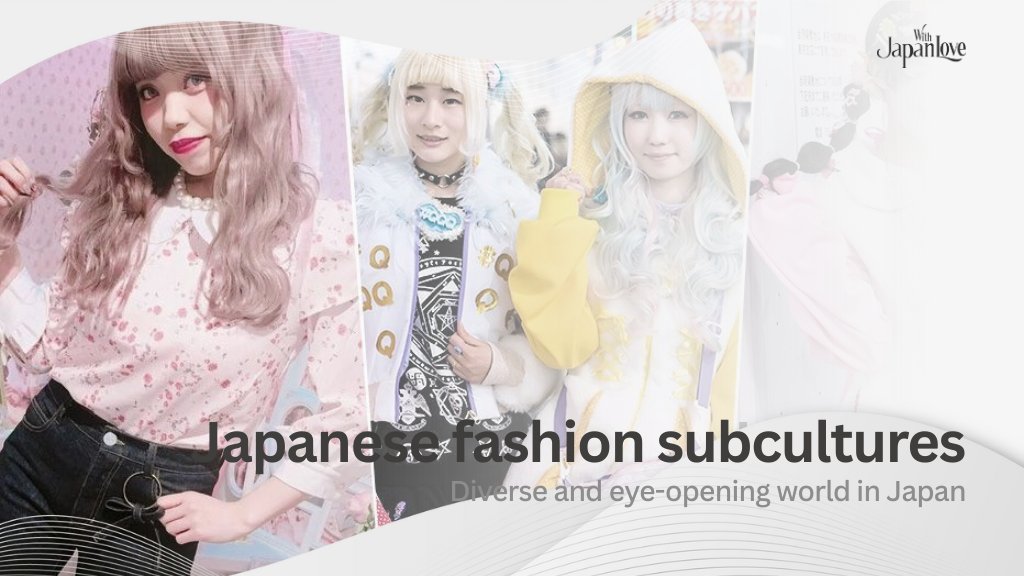
Japanese fashion subcultures offer a vibrant and eye-opening world where creativity, individuality, and culture collide. From the elegant, doll-like Lolita to the playful, colorful Decora and the edgy Visual Kei, each style tells a story and makes a bold statement. These subcultures are not just clothing, they are a lifestyle embraced by fans across the globe.
Discover how these Japanese-style subcultures continue to influence global fashion, and dive deeper into their colorful world with Japan With Love.
Lolita fashion is one of the most internationally recognized Japanese subcultures and remains deeply connected to the evolution of the modern Japanese clothing brand scene. Rooted in Victorian and Rococo aesthetics, Lolita emphasizes modesty, elegance, and a doll-like appearance. Key elements include knee-length skirts or dresses with petticoats, blouses with lace or ruffles, knee socks or tights, Mary Jane shoes, and often wigs or bonnets.
Main Lolita substyles:

Gyaru, derived from “gal,” is characterized by tanned skin, dyed hair, dramatic makeup, and flashy outfits. Emerging in the 1970s, Gyaru was a rebellion against traditional Japanese beauty norms and is highly diverse in its substyles. Today, many fashion enthusiasts exploring Japanese gyaru culture admire its bold confidence and rebellious energy.
Decora is one of the most playful and eclectic jfashion substyles, originating in Japan in the late 1990s. It’s instantly recognizable for its bright colors, layers of clothing, and abundance of accessories. From hair clips and bracelets to stuffed animals and colorful bags, Decora encourages individuality and maximalist styling. Often associated with Harajuku street fashion, it’s a favorite among youth who want to make bold, joyful statements with their outfits.

For those interested in learning more about the origins and styling techniques behind decora fashion, the style revolves around fearless layering and vibrant self-expression.
Decora substyles allow for personal creativity. For example, Pink Decora emphasizes pastels and girlish charm, while Dark Decora introduces black or darker tones for contrast. Another interesting mix is Decora Lolita, which combines Decora’s exuberance with Lolita’s structured elegance. The key to Decora is layering, both clothing and accessories to create a look that’s visually striking yet playful.
Visual Kei is a dramatic Japanese style subculture inspired by rock and punk music. Often theatrical, it blends flamboyant clothing, bold hairstyles, and striking makeup, creating an androgynous or larger-than-life appearance. Visual Kei is not only fashion but also a form of performance art, with fans often replicating the looks of their favorite bands. Its Japanese street fashion subculture reputation comes from merging music and visual identity into everyday clothing choices.
Substyles within Visual Kei are highly diverse. Oshare Kei emphasizes bright colors and casual, stylish clothing suitable for street fashion. Angura Kei represents underground, edgy aesthetics, while Tanbi Kei leans toward romantic, aesthetic-focused dressing. Kurofuku Kei focuses on dark gothic looks, blending punk influences with Victorian-style tailoring. Visual Kei provides freedom to experiment with gender expression, textures, and dramatic silhouettes.
Cult Party Kei is a theatrical and whimsical J-fashion substyle known for its fantasy-inspired, storybook aesthetic. Outfits often combine layered dresses, elaborate prints, and unusual accessories, creating a dramatic, playful silhouette. This style is ideal for those who love cosplay-like elements in everyday fashion and want to tell a narrative through their clothing.

The main substyle is Dark Cult Party, which integrates gothic elements, darker colors, and mystical motifs while keeping the layered, dramatic styling. Cult Party Kei outfits often include oversized bows, decorative collars, and imaginative prints, giving the wearer a sense of being a character from a magical world. The style attracts enthusiasts who enjoy blending costume elements with everyday wear.
Ametora, short for American Traditional, represents a fusion of Western preppy and classic casual styles with Japanese sensibilities. Unlike more theatrical subcultures, Ametora is wearable, versatile, and timeless. The style includes tailored blazers, vintage denim, workwear-inspired pieces, and layered casual outfits. Its influence comes from Japanese subculture fashion brands that reinterpret Americana classics for a Japanese audience.

Ametora is appreciated for its simplicity, sophistication, and adaptability. It covers various substyles, from vintage-inspired Japanese Preppy to casual “New Tora” streetwear looks. Attention to fabric quality, layering, and understated accessories is key. Ametora is particularly appealing to men and women who prefer Japanese fashion subcultures men-friendly, practical, and elegant designs without sacrificing individuality.
Futuristic Japanese subculture fashion styles are inspired by sci-fi, cyberpunk, and avant-garde concepts, blending technology, metallic fabrics, and bold silhouettes. This style often features neon accents, reflective materials, and oversized or asymmetrical shapes that create a forward-thinking aesthetic. Futuristic fashion in Japan is highly experimental, appealing to those who love to push creative boundaries and redefine conventional clothing.

Substyles include Cyber Kei, which uses neon colors and tech-inspired details, Steampunk Lolita, which fuses Victorian elegance with metallic and mechanical accents, and Jersey Maid / Tenshi Kaiwai, which offers playful cosplay-inspired futuristic looks. These styles allow for mixing textures and materials, such as vinyl, PVC, metallic fabrics, and soft cotton to create eye-catching contrasts while maintaining comfort.
Girly Japanese fashion subcultures focus on soft, pastel tones, frills, and casual feminine charm. Unlike Lolita, Girly is more accessible for everyday wear, combining cute elements with practicality. It’s often layered with skirts, blouses, cardigans, and cute accessories, giving a soft, approachable aesthetic.

Popular substyles include Casual Girly, which is easy to wear daily; French Girly, inspired by Parisian chic; Otona Girly, a more mature take on pastel and frilly outfits; and Retro Girly, which incorporates vintage motifs and patterns. Girly fashion emphasizes comfort without compromising cuteness, making it a versatile choice for those who love Japanese style subcultures but want wearability.
Natural subcultures in Japan prioritize relaxed silhouettes, neutral palettes, and comfort-focused designs. Often associated with Mori Kei and minimalism, Natural Japanese fashion subcultures reflect a grounded, earthy aesthetic. Outfits are often layered with neutral tones, soft fabrics, and minimal accessories for a serene, effortless style.
Substyles include Dark Mori, which adds gothic or darker tones; Mori Boy / Mori Girl, which features forest-inspired, layered clothing; and Natural Lolita, combining soft Lolita silhouettes with subdued colors. Natural fashion emphasizes quality fabrics, practical layering, and subtle elegance, making it suitable for casual and professional settings while maintaining individuality.
Kawaii Japanese fashion subcultures revolve around cute, playful aesthetics, emphasizing bright or pastel colors, cartoon motifs, and childlike charm. Kawaii culture is deeply rooted in Japanese pop culture and often incorporates elements from anime, manga, and video games, making it popular globally.

Substyles include Fairy Kei, which blends pastel colors with 1980s cartoon motifs and tutus; Yume Kawaii, a dreamy, fantastical aesthetic; Gurokawa, which combines cuteness with subtle horror or edgy motifs; and Shinora, a bold, colorful style inspired by contemporary street fashion. Kawaii fashion encourages creativity, fun, and individuality while making the wearer instantly approachable and expressive.
Gothic and Punk Japanese styles are dark, edgy, and rebellious, often blending Western gothic or punk influences with Japanese creativity. These styles are perfect for expressing individuality, nonconformity, and a love for dramatic aesthetics. Clothing often includes black lace, leather, studs, layered skirts, and heavy boots.

Substyles include Gothic Lolita, featuring Victorian-inspired dark clothing with lace and bonnets; Goth Punk, combining punk silhouettes with gothic color palettes; Karasu Zoku, known for layered dark streetwear; and Punk Lolita, which adds edgy accessories and prints to traditional Lolita outfits. These styles allow creative experimentation with textures, makeup, and accessories while maintaining a coherent visual impact.
Japanese fashion subcultures showcase the incredible creativity, diversity, and individuality of Japan’s style scene. From playful Decora to elegant Lolita, edgy Visual Kei, and timeless Ametora, there’s a subculture for every personality and taste. Exploring these styles allows you to express yourself, connect with vibrant communities, and experience fashion as art.
Japanese fashion subcultures offer distinct styles that reflect individuality, creativity, and cultural influence. From Lolita’s Victorian-inspired elegance to Decora’s playful layers and Visual Kei’s rock-inspired flamboyance, these subcultures allow people to express personality, experiment with fashion, and connect with global communities. They are a vibrant part of Japan’s fashion identity.
Japanese fashion subcultures are unique styles from Japan that express individuality through distinct aesthetics and creative flair. They blend Western, traditional, and pop culture influences, thriving in areas like Harajuku and inspiring fashion enthusiasts worldwide.
Yes, Japanese fashion subcultures remain popular both in Japan and globally. Social media, conventions, and street fashion hubs like Harajuku help sustain interest. Many subcultures evolve with modern trends while keeping their original essence, making them accessible for new generations of fashion enthusiasts worldwide.
Girly, Natural, or Casual Lolita are considered the most beginner-friendly subcultures. They focus on approachable colors, simple layering, and wearable silhouettes, making them easy to try without investing in extreme accessories or dramatic makeup. These styles allow newcomers to experiment gradually with Japanese fashion subcultures.
Absolutely. Many Japanese fashion subcultures are gender-inclusive, including Visual Kei, Ametora, and Oji/Kodona Lolita. Men often experiment with layering, makeup, and accessories to express individuality. Some subcultures, like Gyaruo (male Gyaru), are specifically designed for men, offering diverse ways to engage in Jfashion substyles.
Harajuku fashion refers to trendy, street-style outfits popular in Tokyo’s Harajuku district, often blending multiple influences. Japanese fashion subcultures are more defined styles with history, philosophy, and distinct aesthetics, such as Lolita, Decora, or Visual Kei. Subcultures may appear in Harajuku but are not limited to it.

Minase Suiren
Minase Suiren is a seasoned cultural writer and lifestyle curator focusing on Japanese beauty rituals and everyday aesthetics. She holds a master’s degree in intercultural communication from Waseda University with a research focus on beauty norms and gender identity in modern Japanese media.


Share:
Aegyo sal makeup 2026 tips and tricks: The secret to youthful eyes
Mastering 2026 igari makeup look: Achieve that cute, dewy Japanese glow