Japanese green tea is more than a drink, it’s a centuries-old wellness ritual. At Japan With Love, we bring you the best Japanese green tea handpicked from renowned regions like Uji, Shizuoka, and Kagoshima. Whether you're seeking skin-boosting antioxidants, a metabolism-friendly drink, or a flavorful alternative to coffee, these teas offer daily benefits you can sip with confidence. Let’s explore what makes the best Japanese green tea so special and how to choose the right one for your taste and health.
1. What is Japanese green tea and its most popular types?
Japanese green tea refers to green tea varieties grown and processed in Japan using steaming methods that preserve their vibrant green color and high antioxidant levels. Unlike Chinese green tea, which is pan-fired, Japanese green teas are steamed immediately after harvesting. This technique gives them a grassy, umami-rich taste and enhanced nutritional value.
Common types of Japanese green tea include:
Sencha – The most popular daily tea in Japan with a fresh, grassy flavor.
Gyokuro – Shade-grown, luxurious green tea with deep umami and high theanine content.
Matcha – Stone-ground powdered tea made from shade-grown leaves, rich in antioxidants.
Genmaicha – Blend of sencha and roasted rice for a nutty, soothing drink.
Hojicha – Roasted green tea with a low caffeine content and toasty aroma.
Bancha – Coarser leaves picked later in the season, mild and affordable.
Each category reflects a different processing method and health profile, ideal for building your own Japanese green tea routine.
2. What are the key benefits of green tea?
Whether you're replacing your morning coffee or improving skin from within, Japanese green tea is packed with science-backed benefits. Here are some of the top health and beauty benefits of good Japanese green tea:
Antioxidant powerhouse: Rich in catechins (EGCG), Japanese green tea neutralizes free radicals and helps prevent oxidative stress, linked to aging, dull skin, and inflammation.
Supports metabolism & weight management: EGCG and caffeine work together to gently boost metabolism and fat oxidation, making it a great natural support for weight control without jittery side effects.
Enhances brain function: L-theanine in matcha and gyokuro promotes focus and relaxation, especially when paired with moderate caffeine.
May reduce risk of heart disease & cancer: Studies suggest regular green tea drinkers may have a lower risk of cardiovascular disease and certain cancers due to its anti-inflammatory effects.
Good for skin health: The anti-inflammatory and antibacterial properties make it ideal for managing acne-prone skin and promoting overall glow from the inside out.
Promotes oral health: Green tea fights bad breath, reduces plaque, and lowers the risk of gum disease.
3. Top 10+ best Japanese green tea picks for all genders & ages
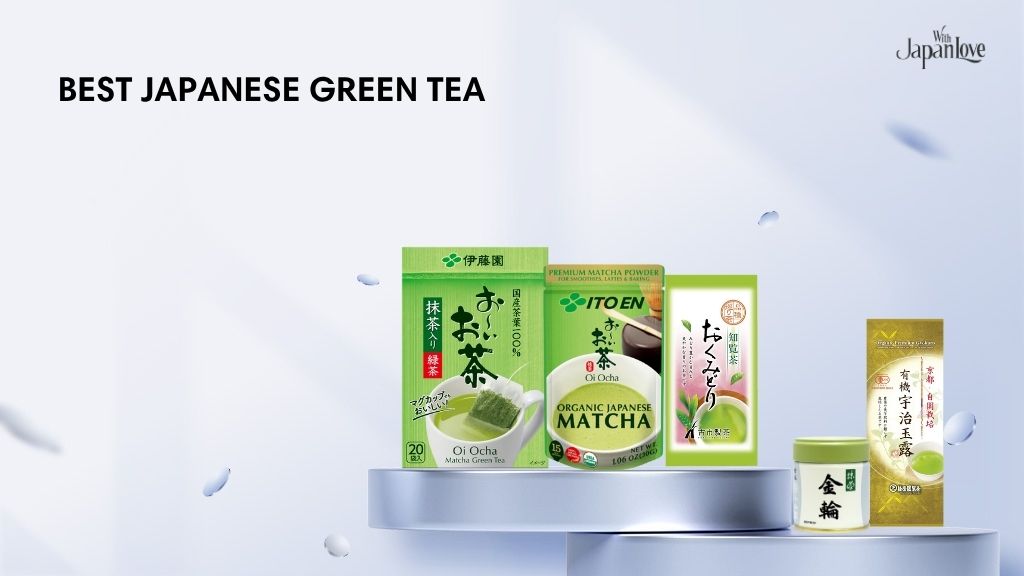
Looking for the best Japanese green tea to add to your daily routine? From earthy loose leaves to convenient matcha sticks, here are our favorite picks available at Japan With Love, carefully selected for health benefits, taste, and authenticity.
Ocha & Co. Organic Sencha Loose Leaf Japanese Green Tea
Gyokuro Organic Japanese Green Tea
Yamasan Sencha Green Tea Leaves
Kinrin Uji Matcha Powder
Itoen Oi Ocha Japanese Green Tea Powder
Chiran Green Tea Leaf
Iyemon Instant Caffeine-less Green Tea Stick
Itoen Oi Ocha Instant Green Tea with Matcha
Iyemon Fukujuen Instant Green Tea
Fancl Official Whole Green Tea Top Roasted
3.1. Ocha & Co. Organic Sencha Loose Leaf Japanese Green Tea
Ocha & Co. sources their organic sencha from Shizuoka, one of Japan’s most prestigious tea-growing regions. Their tea is certified JAS organic and is steamed, rolled, and dried to preserve its vibrant green color and antioxidants. Sencha is Japan’s most consumed tea and is known for balancing sweetness, bitterness, and umami. This sencha is ideal for daily drinkers looking to improve skin clarity, boost metabolism, and reduce oxidative stress. It’s a convenient and flavorful way to enjoy green tea’s health benefits without overpowering bitterness, making it suitable for beginners and seasoned tea lovers alike.
Type: Loose leaf sencha
Flavor: Grassy, slightly sweet, mild astringency
Best for: Daily drinking, detox support
Origin: Shizuoka, Japan
Caffeine level: Medium
Benefits: Rich in catechins for skin clarity and metabolism boost
3.2. Gyokuro Organic Japanese Green Tea
Gyokuro is Japan’s most premium green tea, grown under shade for 20–30 days before harvesting. This method increases theanine and chlorophyll levels, giving Gyokuro its deep green color, sweet umami flavor, and high antioxidant content. It’s typically reserved for special occasions but is gaining popularity among wellness-focused tea enthusiasts. Studies show Gyokuro contains high levels of EGCG and L-theanine, which may help reduce stress, improve concentration, and support cardiovascular health. Its mellow flavor and luxurious texture make it ideal for mindful drinking moments and meditative tea rituals.
Yamasan’s Sencha is produced in Kyoto, a region renowned for its premium tea heritage. This sencha is steamed and carefully rolled to preserve its natural vibrancy and flavor. It delivers a refreshing, grassy aroma with a clean, slightly bitter finish, making it a perfect daily tea for those who enjoy a classic Japanese green tea experience. In addition to its taste, Yamasan Sencha is high in catechins and other polyphenols, known for aiding fat metabolism, supporting immune health, and reducing oxidative stress. It's a smart, flavorful option for anyone seeking wellness in every sip.
Type: Loose leaf sencha
Flavor: Bright, fresh, balanced bitterness
Best for: Weight management, afternoon tea
Origin: Kyoto, Japan
Caffeine level: Medium
Benefits: Helps burn fat naturally, rich in polyphenols
3.4. Kinrin Uji Matcha Powder
Kinrin Matcha is a ceremonial-grade powdered tea, best matcha in Japan sourced from Uji, the heart of Japan’s matcha-growing region. Made from hand-picked tencha leaves grown in shade, then stone-ground into a fine powder, it offers a rich, umami-forward taste with a creamy mouthfeel, perfect for both traditional tea ceremonies and modern lattes. Matcha is known for delivering a concentrated dose of antioxidants, particularly EGCG, which helps fight skin aging, detox the body, and increase energy. Kinrin’s matcha is ideal for skincare lovers, busy professionals, and anyone looking to upgrade their health rituals with authentic Japanese tea.
Type: Powdered matcha (ceremonial)
Flavor: Bold, creamy, slightly sweet
Best for: Lattes, smoothies, skin detox
Origin: Uji, Kyoto
Caffeine level: High
Benefits: Full-body antioxidant protection and energy boost
Itoen’s Oi Ocha powder is a convenient blend of finely milled Japanese green tea, made from 100% domestically grown tea leaves. As Japan’s most trusted tea brand, Itoen ensures consistency, flavor, and safety in every batch. This powder dissolves quickly in hot or cold water, no whisking required, making it perfect for a busy lifestyle. Despite its convenience, this instant green tea doesn’t compromise on health. It contains natural antioxidants, catechins, and vitamins to support energy, metabolism, and hydration throughout the day. A smart option for commuters, office workers, and students alike.
Type: Instant powder
Flavor: Slightly bitter with matcha smoothness
Best for: Busy mornings, office wellness
Origin: Japan (Itoen brand)
Caffeine level: Medium
Benefits: Convenient source of antioxidants and hydration
Chiran tea comes from Kagoshima Prefecture in southern Japan, a region prized for its mineral-rich volcanic soil and clean air. The result is a green tea with a rich body, light roasted aroma, and a warm, slightly nutty finish. It’s especially popular for drinking after meals due to its smooth and satisfying flavor. Nutritionally, Chiran green tea is packed with EGCG and polyphenols known for supporting heart health, lowering bad cholesterol, and aiding digestion. It’s a wholesome, grounding tea perfect for creating a soothing routine.
Type: Loose leaf
Flavor: Rich, mellow, slightly roasted
Best for: After meals, digestion
Origin: Chiran, Kagoshima
Caffeine level: Medium
Benefits: May help reduce cholesterol, improve gut health
For those who love green tea but prefer to avoid caffeine, Iyemon’s caffeine-less green tea stick is a thoughtful choice. Made by the historic tea house Fukujuen, this blend uses carefully processed tea to maintain flavor while removing caffeine. Simply stir into hot or cold water for a refreshing, calming drink. This tea is ideal for evening relaxation, pregnant or nursing individuals, and anyone with caffeine sensitivity. Plus, it still delivers the antioxidant benefits of green tea without the stimulant effect.
This blend from Itoen combines instant green tea with matcha for a bolder, deeper flavor and brighter green color. It’s packaged in individual sticks, making it easy to enjoy at work, while traveling, or as a quick iced tea option at home. The addition of matcha boosts the overall antioxidant content. Perfect for people looking for a flavorful and energizing pick-me-up, this tea supports metabolism and alertness while being easy on the digestive system.
Made by Fukujuen, one of Japan’s oldest and most respected tea makers, this instant green tea delivers exceptional flavor and quality. The tea dissolves easily and maintains the authentic taste of traditionally brewed sencha, with a clean finish and aromatic freshness. This product is an excellent entry point for new tea drinkers and a convenient choice for long-time fans who want authentic taste without the effort. It also supports immune health with natural catechins and vitamin C.
Type: Instant powder
Flavor: Refined, earthy
Best for: Daily sipping
Origin: Kyoto, Japan
Caffeine level: Medium
Benefits: Boosts immunity, supports long-term health
3.10. Fancl Official Whole Green Tea Top Roasted
Fancl’s roasted green tea is made using whole leaves and a careful roasting process that enhances aroma while reducing caffeine. It offers a soothing, toasty flavor and warm amber color, ideal for cold evenings or as a digestive aid after meals. Because it’s roasted, this tea is gentler on the stomach and rich in polyphenols, which help combat oxidative stress and promote skin vitality. It’s a cozy, calming choice for wellness lovers of all kinds.
Type: Whole leaf (roasted)
Flavor: Deeply roasted, caramel-like
Best for: Digestion, afternoon relaxation
Origin: Japan (Fancl brand)
Caffeine level: Low
Benefits: Gentle on the stomach, rich in anti-aging properties
4. How to choose the best branded Japanese green tea
Choosing the best Japanese green tea depends on your needs, taste preferences, and wellness goals. Here are some tips to help you shop smart:
Purpose:
For relaxation: choose low-caffeine types like hojicha or caffeine-less sticks
For energy and brain function: go with matcha or gyokuro
For digestion or after meals: roasted teas like fancl or genmaicha
Flavor profile:
Prefer rich umami? Try gyokuro or matcha
Like light and floral? Choose sencha from Uji or Shizuoka
Want nutty or roasted notes? Go for hojicha or Chiran
Form:
Powder for convenience
Loose leaf for full flavor
Instant sticks for busy schedules
Brand reputation:
Trusted names like Itoen, Iyemon, and Ocha & Co. ensure quality sourcing and processing.
5. How to prepare and enjoy good Japanese green tea
Once you’ve selected the best Japanese green tea for your needs, proper preparation is the key to unlocking its full flavor and wellness benefits. Brewing techniques can vary depending on the type of tea, but a few universal tips will elevate your experience.
How to prepare good Japanese green tea:
Use filtered or soft water to ensure the cleanest and purest tea flavor.
Avoid boiling water to prevent bitterness and preserve nutrients.
For sencha or gyokuro, heat water to 70–80°C (158–176°F).
For matcha, use water at around 60°C (140°F) or cooler.
Steep loose leaf teas (like sencha, gyokuro) for 1–2 minutes.
Pro tips to enjoy your tea:
Use a kyusu teapot or matcha bowl for a traditional feel.
Cold brew overnight for a smooth, low-caffeine option.
Pair with light snacks or rice crackers for a Japanese-style break.
Store your tea in an airtight container away from light and moisture to preserve freshness.
For matcha, whisk using a bamboo chasen until a frothy layer forms.
Roasted teas (like hojicha or genmaicha) can be brewed with hotter water and steeped longer without becoming bitter.
From antioxidant-rich matcha to soothing roasted hojicha, the best Japanese green tea offers something for everyone, whether your goal is better focus, clearer skin, or simply a better-tasting cup. At Japan With Love, we curate authentic, high-quality Japanese green tea brands trusted by tea houses and wellness seekers alike. Take the next step in your wellness journey, through centuries of flavor, culture, and care with us.
FAQs – People also ask about the best Japanese green tea
Before choosing your tea, you may have some lingering questions. Here are quick answers based on expert sources and customer interest.
What is the best Japanese green tea to drink?
What is the best Japanese green tea to drink?▾
Sencha is the most popular daily tea in Japan due to its balance of flavor, health benefits, and accessibility. Matcha and gyokuro offer more antioxidants and richer taste but are better suited for those who enjoy deeper flavor profiles.
What is the highest grade of Japanese green tea?
What is the highest grade of Japanese green tea?▾
Gyokuro is considered the highest grade. It’s shade-grown, hand-picked, and offers exceptional umami flavor with a high concentration of L-theanine and catechins.
Is it good to drink Japanese green tea every day?
Is it good to drink Japanese green tea every day?▾
Yes. Drinking 1–3 cups daily is considered safe and beneficial, supporting hydration, metabolism, and skin health, as long as you’re not sensitive to caffeine.
Which is the healthiest Japanese tea?
Which is the healthiest Japanese tea?▾
Matcha is often seen as the healthiest,best Japanese tea due to its powdered form. You consume the whole leaf, getting more antioxidants like EGCG, chlorophyll, and vitamins.
What is Japanese green tea made of?
What is Japanese green tea made of?▾
Japanese green tea is made from the leaves of the Camellia sinensis plant. After harvest, the leaves are steamed (not pan-fired like in Chinese green tea), which helps retain color and nutrients.
Is sencha or gyokuro healthier?
Is sencha or gyokuro healthier?▾
Both are excellent, but gyokuro has more theanine and caffeine due to its shading method. It’s better for focus and stress reduction, while sencha is more balanced for daily wellness.
What is the difference between Chinese green tea vs. Japanese green tea?
What is the difference between Chinese green tea vs. Japanese green tea?▾
The main difference is in processing. Japanese tea is steamed, resulting in a more vibrant color and umami taste. Chinese green tea is typically pan-fired, giving it a nuttier, toastier flavor.
Aspect
Japanese Green Tea
Chinese Green Tea
Processing Method
Steamed to lock in freshness and color; rarely withered.
Typically pan-fired; often withered before drying.
Flavor Profile
Vegetal, grassy, brisk; can taste bold or slightly astringent if overbrewed.
Lighter, sweeter, toasty with floral or nutty notes.
Which Japanese tea reduces belly fat?
Which Japanese tea reduces belly fat?▾
Sencha and matcha are both rich in EGCG, which has been linked to improved fat oxidation and metabolism, making them effective choices for weight management.
Yuzuki Tsukihana
Yuzuki Tsukihana is a Japanese beauty writer and researcher with over 8 years of experience in the skincare and cosmetics industry. She holds a Master of Science in Cosmetic Science from the University of Cincinnati (USA), where she specialized in skincare formulation, ingredient efficacy, and product safety.




Partager:
Top 15+ des meilleures pinces à ongles japonaises pour des ongles de qualité professionnelle à la maison
Savon japonais Cow 2025 : comment ce pain de savon centenaire fait toujours des merveilles