


- 0 comentarios
- por Yuzuki Tsukihana
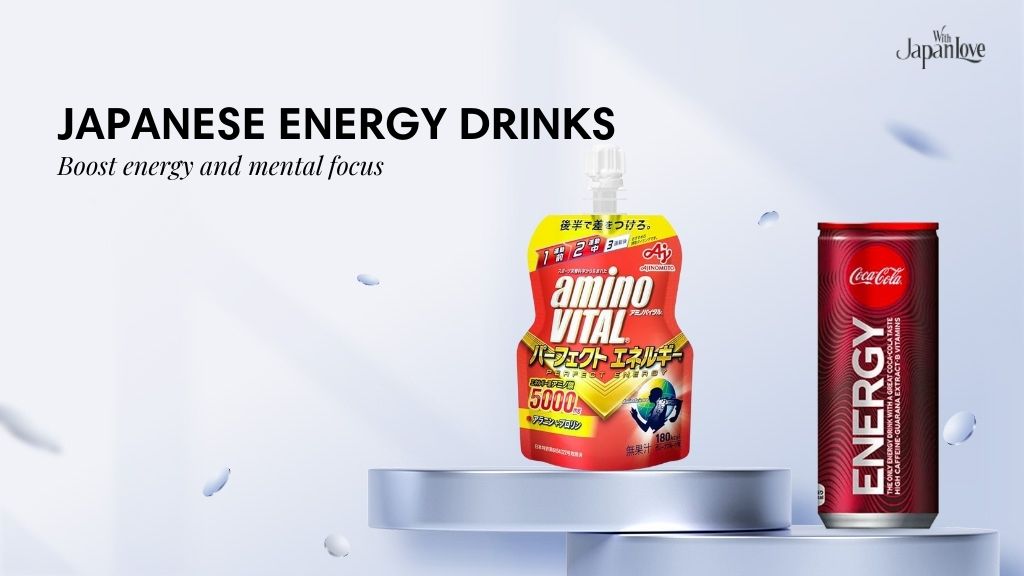
10+ Japanese energy drinks to boost energy and mental focus
- 0 comentarios
- por Yuzuki Tsukihana
If you’ve ever been curious about trying a Japanese energy drink, you’re not alone. From busy office workers to athletes and students, people in Japan rely on these powerful beverages to boost energy, fight fatigue, and improve mental focus. Unlike typical Western options, they often include vitamins, amino acids, royal jelly, and herbal extracts, offering a healthier and more balanced approach to staying energized.
In this guide, Japan With Love will explore more than 10 of the most popular and effective energy drinks in Japan, highlighting what makes them special and how they can fit into your lifestyle.
A Japanese energy drink is a functional beverage created in Japan to boost energy, reduce fatigue, and sharpen mental focus. These drinks often go beyond the standard mix of caffeine and sugar, combining ingredients like taurine, amino acids, B vitamins, royal jelly, or herbal extracts such as ginseng.

There are several popular types of energy drinks in Japan:
Japan is home to a wide variety of energy drinks, each designed for different needs, from quick focus boosts to long-lasting stamina support. Below, we’ve rounded up 10+ must-try Japanese energy drinks that showcase the country’s unique approach to energy, nutrition, and convenience.
Taisho Lipovitan D is one of the most iconic Japanese energy drink brands, first introduced in the 1960s. The Lipovitan D 2000 version is a stronger formula containing 2000mg taurine, 50mg caffeine, B vitamins, arginine, and herbal extracts such as ginseng. It comes in a small 100ml brown bottle, making it easy to carry and consume when you need a quick boost.
This drink is especially popular among office workers, students, and night-shift employees who need to recover from fatigue or improve concentration. While its taste is slightly bitter-sweet with a medicinal touch, the effect is fast and noticeable. Since it’s classified as a quasi-drug in Japan, the dosage is regulated, usually one bottle per day for adults.
Coca-Cola Japan offers its own take on the Japanese energy drink category with the popular Real Gold. First launched in 1981, this carbonated drink blends royal jelly, ginseng, vitamin C, B2, B6, niacin, and amino acids to deliver a refreshing yet functional boost. Unlike heavier tonics, it tastes like a soda with a slight nutritional kick.

Real Gold is a favorite for those who want a lighter alternative to strong tonics or coffee. It’s convenient, available in cans and bottles across Japanese convenience stores, and often chosen during hot days or when people want a fizzy pick-me-up that doesn’t feel too medicinal. If you enjoy gentle caffeine beverages, you might also like exploring the best instant coffee in Japan for smooth, aromatic flavor with a boost of energy.
For fans of international energy drink brands, Monster M3 Extra Strength represents the Japanese Monster Energy Drink variant designed for stronger stimulation. It usually contains higher caffeine content compared to standard Monster, combined with taurine and B vitamins for an extra kick.
This option is ideal for people who are used to Western-style energy drinks and want something powerful in Japan. It is fizzy, bold in flavor, and comes in larger bottles or cans. However, because of its high caffeine content, it should be consumed with caution, especially for those sensitive to stimulants.
Ajinomoto, a trusted Japanese brand, created the Amino Vital Multi-energy jelly drink to provide quick nutrition in an easy-to-digest pouch format. Instead of relying heavily on caffeine, it delivers amino acids, vitamins, and small amounts of carbohydrates to supply steady energy. The jelly texture makes it light on the stomach, perfect when you don’t want a carbonated or bitter tonic.

This Japanese energy drink jelly is especially popular among athletes and busy professionals. It’s convenient for on-the-go use, just squeeze the pouch and consume. Many people choose it before or after exercise, or during long workdays when they need fuel but not the jitters that strong caffeine drinks might cause.
Red Bull is an international giant, but its Japanese variations, like the Red Bull Purple Edition bring a local twist. This edition features a fruity flavor (often berry-like), while maintaining the classic Red Bull energy blend of caffeine, taurine, B vitamins, and sugar. For those who find traditional Japanese tonics too medicinal, this offers a familiar taste with a stylish design.
The Purple Edition is popular with younger consumers in Japan who prefer something trendy, refreshing, and powerful. With around 80mg of caffeine per can, it provides a strong mental boost, making it a go-to option during exams, all-night work sessions, or gaming marathons.
Another entry from Ajinomoto, Amino Vital Perfect Energy, focuses on supporting physical endurance and recovery. It contains essential amino acids like leucine, isoleucine, and valine, combined with vitamins and carbohydrates to provide a balanced energy supply. Like the Multi-energy version, it comes in a jelly pouch for quick, mess-free consumption.

This Japanese energy drink jelly is particularly suitable for long-distance runners, cyclists, or anyone needing endurance support. Instead of a caffeine rush, it delivers steady fuel for the body, making it perfect during marathons or long hours of physical activity. The fruity taste and soft jelly texture make it easy to consume even when you’re tired.
Yunker Kotei is a long-selling Japanese energy drink from Sato Pharmaceutical, trusted for decades. Unlike soda-style energy drinks, it’s formulated as a quasi-medicine with herbal extracts such as ginseng, royal jelly, oriental herbs, plus vitamins and caffeine. Its taste is slightly bitter-sweet, similar to Lipovitan, but with a smoother herbal profile.
This drink is especially popular among middle-aged professionals in Japan who want fast relief from fatigue without relying solely on caffeine. It’s also a favorite gift item during exam season or for people recovering from stress. One small bottle provides a noticeable lift in energy and concentration.
Buy Yunker Kotei 30Ml | Class 2 OTC Energy Booster Drink now
Calorie Mate is famous for its balanced nutrition bars, but the Café au Lait drink version offers a mix of energy and convenience. It combines coffee flavor with carbohydrates, proteins, vitamins, and minerals, making it more of a “complete nutritional drink” than a typical energy shot.

It’s ideal for busy mornings when you skip breakfast but still need both caffeine and nutrition. Students, office workers, and travelers often choose it as a light meal replacement plus an energy boost, especially when time is short. This type of drink is a great complement to many Japanese food and beverage options that combine taste and functionality.
This powerful Japanese energy drink combines maca extract, amino acids, vitamins, and caffeine to support stamina and vitality. The Gigamax version contains a high 11,000mg maca concentration, making it one of the strongest stamina-focused drinks in Japan. Its taste is more herbal than fruity, but the effect is long-lasting.
Itoh Kampo Maca drinks are especially marketed for men needing physical endurance, energy during long workdays, or extra support during stressful times. It’s often chosen as a stronger alternative to mild tonics like Lipovitan.
Unlike standard energy drinks, Kabaya Salt Charge comes in chewable tablet form. These tablets are designed for hydration and electrolyte replenishment, especially during hot summers or sports activities. They contain sodium, minerals, and a light energy boost to prevent heat fatigue.

They’re popular among athletes, outdoor workers, and students during Japan’s humid summers. Instead of caffeine, the focus is on preventing dehydration and maintaining stamina under physical stress.
Japanese energy drinks are becoming increasingly popular worldwide because they offer a unique blend of effectiveness, flavor, and cultural appeal. Unlike many Western brands that mainly rely on high caffeine and sugar content, a Japanese energy drink often combines vitamins, amino acids, and herbal extracts, giving a more balanced effect on both body and mind.
Key benefits that attract global consumers include:
International consumers also notice that energy drinks in Japan taste different from those sold in the West. Instead of the heavy sweetness or artificial aftertaste common in global brands, Japanese energy drinks often have a milder, refreshing flavor that makes them easier to drink regularly. This combination of health-conscious ingredients and unique taste has made them stand out in the global energy drink market.
If you’re a fan of Japanese drinks and want to explore more refreshing options, the best Japanese beer list is another great place to discover the unique craftsmanship behind Japan’s most popular beverages.
With so many options available, picking the best Japanese energy drink depends on your daily needs and preferences. Japan offers everything from quick energy shots to balanced nutrition drinks, so understanding your goals helps you choose wisely.
Here are some tips to guide your choice:
The key is to match the drink with your lifestyle and health needs, whether you’re a student preparing for exams, a professional facing long work hours, or an athlete needing extra fuel. By doing so, you can enjoy the benefits of Japanese energy drinks without over-relying on caffeine or sugar.
A Japanese energy drink offers more than just a quick caffeine fix, it delivers a unique balance of nutrition, focus, and stamina tailored to different lifestyles. Whether you prefer classic tonics like Lipovitan, refreshing sodas like Real Gold, or convenient jelly pouches like Amino Vital, Japan’s wide range of options makes it easy to find the perfect fit.
Before we wrap up, let’s address some of the most common questions people have about Japanese energy drinks. These quick answers will help you better understand their ingredients, benefits, and potential downsides, so you can decide which option fits your lifestyle best.
Yes. Japanese people regularly consume energy drinks, especially students, office workers, and athletes. Convenience stores stock a wide range, from tonic-style bottles like Lipovitan to jelly pouches like Amino Vital. They are often used during exam periods, long workdays, or sports activities to fight fatigue and boost focus.
The caffeine content in Japanese energy drink Lipovitan varies by version, but a standard 100ml Lipovitan D usually contains around 50mg of caffeine. This is similar to a small cup of coffee, making it effective for mental alertness without overwhelming the body when consumed responsibly.
Japanese energy drinks stand out for their balanced formulas and variety. Unlike Western brands loaded with sugar, they often include taurine, B vitamins, royal jelly, amino acids, or herbal extracts. They also come in multiple forms: bottles, sodas, and jelly pouches, designed for different lifestyles, offering more than just caffeine stimulation.
Many Japanese energy drinks are considered healthier because they focus on balanced nutrition, not just caffeine. Options like Real Gold or Amino Vital provide vitamins, minerals, and hydration. However, “healthy” depends on moderation, and overconsumption still poses risks. Choosing the right product for your lifestyle is key to safe benefits.
Despite their benefits, energy drinks including Japanese ones can have downsides if overused. Excess caffeine may cause insomnia, heart palpitations, or anxiety. Some varieties contain high sugar, which can impact weight and blood sugar levels. Responsible use of one bottle or pouch per day is recommended for safe and effective results.

Yuzuki Tsukihana
Yuzuki Tsukihana is a Japanese beauty writer and researcher with over 8 years of experience in the skincare and cosmetics industry. She holds a Master of Science in Cosmetic Science from the University of Cincinnati (USA), where she specialized in skincare formulation, ingredient efficacy, and product safety.


Compartir:
Junbi Matcha Review: My ultimate daily drink
Master clean girl makeup looks aesthetic with J-beauty techniques