


- 0 comments
- by Minase Suiren
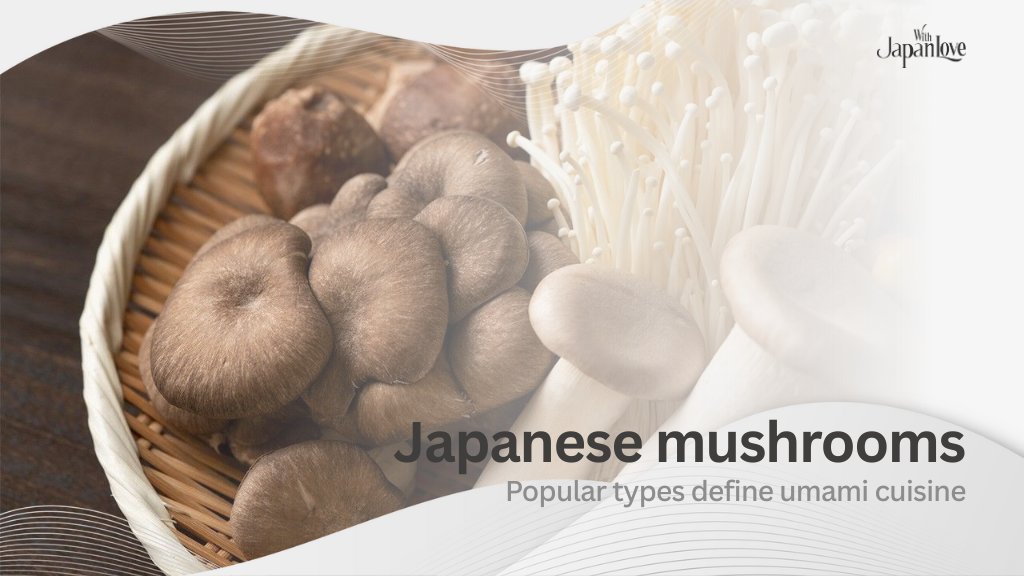
6 Popular types of Japanese mushrooms, define umami cuisine
- 0 comments
- by Minase Suiren
Japanese mushrooms are more than just an ingredient, they are a gateway to the rich umami flavors of Japan. From the earthy shiitake to the delicate enoki, these mushrooms bring depth, aroma, and nutrition to countless traditional and modern dishes.
Loved around the world for their unique textures and health benefits, Japanese mushrooms are a must-try for anyone passionate about Japanese cuisine. Japan With Love will discover the most popular varieties, cooking tips, and top-quality dried mushrooms.
Japanese mushrooms are celebrated not only for flavour but for a range of health-benefits and culinary versatility. They stand out for several reasons:

Now that we’ve seen why Japanese mushrooms are so special, let’s dive into the most popular types of Japanese mushrooms you should try.
Japan is home to an incredible variety of edible fungi, each with its own texture, aroma, and level of umami. Whether you’re a beginner or an experienced cook, understanding the different Japanese mushroom types will help you bring authentic flavor to your dishes.
Let’s take a closer look at three of the most beloved types of Japanese mushrooms found in kitchens around the world.
Among all Japanese mushrooms, shiitake stands out as the most iconic and versatile. Recognized by its broad, dark-brown cap and firm white stem, shiitake is valued for its deep, meaty flavor. The word “shiitake” literally means mushroom of the shii tree (a kind of oak). Fresh shiitake is widely used in Japan, but its dried version is even more prized for the intense umami flavor created by guanylic acid that develops during drying.

Shop fast and easy Japan-exclusive Sugimoto Organic Japanese Shiitake Mushroom Powder
Shiitake mushrooms are commonly added to soups, rice dishes, or noodle broths like ramen and udon. Their thick caps hold up well to long cooking, making them a favorite for stews and vegetarian recipes. Beyond taste, shiitake also offers wellness benefits such as immune support and cholesterol management thanks to natural compounds like lentinan.
Enoki mushrooms, or enokitake, are another beloved ingredient in Japanese cooking. They’re easy to recognize by their long, thin white stems and small button-like caps, growing in tight clusters. Compared to other Japanese mushroom types, enoki offers a subtle flavor and crisp texture that stays firm even after light cooking.

Add to cart Matsuo Premium Dried Japanese Enoki Mushrooms
Enoki mushrooms shine in hot pots (nabe), soups, and stir-fries. Because of their mild taste, they blend beautifully with dashi broth, soy sauce, and miso without overpowering other ingredients. They’re also low in calories and high in fiber and antioxidants, which makes them a popular choice for healthy, balanced meals in Japanese cuisine.
Known as the “dancing mushroom,” maitake is a true delicacy among types of Japanese mushrooms. Its name comes from the joy people felt upon finding it in the wild centuries ago. Maitake has a frilly, fan-like shape and a distinctive aroma with a slightly peppery note. When cooked, it delivers a satisfying combination of crisp edges and juicy texture that elevates any dish.
Maitake mushrooms are perfect for stir-fries, grilled dishes, or mixed rice (takikomi gohan). They can be torn by hand into small clusters, which helps maintain their unique texture. Nutrition-wise, maitake is rich in beta-glucans that may support immune function and help regulate blood sugar. With its elegant form and umami-forward flavor, this mushroom adds both beauty and depth to Japanese and Western recipes alike.
Shimeji mushrooms are among the most common and beloved types of Japanese mushrooms, known for their firm texture and mild, nutty flavor. They usually grow in small clusters and come in two popular varieties: buna-shimeji (brown) and shiro-shimeji (white). Unlike some mushrooms, shimeji should always be cooked before eating, this brings out its pleasant aroma and removes the slight bitterness found in its raw state.

These mushrooms add texture and depth to countless dishes. In Japan, they’re frequently used in soups, stir-fries, and even pasta recipes, complementing both Asian and Western cuisines. When cooked, shimeji becomes tender yet retains a pleasant bite, making it a perfect partner for sauces and soy-based seasonings.
Nameko mushrooms stand out among Japanese mushroom types because of their unique glossy, amber-colored caps and slightly slippery coating. This natural gel-like texture thickens soups and stews, giving them a silky mouthfeel that’s highly valued in Japanese cuisine. Despite their unusual appearance, nameko mushrooms are mild in flavor and rich in umami, making them an essential ingredient in many traditional dishes.

Enjoy Japanese specialty Amano Foods Freeze Dried Red Miso Nameko Mushroom Soup
They’re most commonly used in miso soup, stewed vegetables, and rice dishes. The slippery texture comes from mucin, a beneficial water-soluble fiber that may aid digestion and support nutrient absorption. Combined with their subtle earthy flavor, nameko mushrooms add a comforting, authentic Japanese touch to any meal.
Considered the crown jewel among types of Japanese mushrooms, matsutake is the most aromatic and luxurious variety. Its name means “pine mushroom,” reflecting the pine forests where it grows naturally in autumn. Matsutake has a firm, meaty texture and a distinctive spicy, woodsy aroma that captures the essence of Japanese autumn cuisine. Because it’s rare and difficult to cultivate, matsutake is often reserved for special occasions and high-end dishes.

In Japan, matsutake is prized for its pure, natural flavor and is typically cooked simply, grilled, steamed, or added to rice (matsutake gohan) to highlight its fragrance. It pairs perfectly with minimal seasoning, allowing its earthy aroma to shine through. Considered a symbol of good fortune and prosperity, matsutake remains one of Japan’s most prestigious culinary treasures.
Cooking Japanese mushrooms at home is one of the simplest ways to enjoy the essence of umami cuisine. Whether you’re a beginner in Japanese cooking or an experienced home chef, understanding how to prepare and pair these mushrooms properly can make all the difference. Their earthy aroma, rich texture, and subtle sweetness enhance everything from soups and rice dishes to noodles and grilled recipes.
Before cooking, most types of Japanese mushrooms require gentle cleaning rather than soaking. Too much water can cause them to lose their delicate flavor and firm texture. Instead, lightly wipe each mushroom with a damp paper towel or use a soft brush to remove dirt. Trim the ends of the stems if they appear tough or dry.

When cooking, keep in mind that different mushrooms have different needs. For example, shiitake and maitake benefit from sautéing or grilling to bring out their strong umami notes, while enoki and shimeji are best added to soups or hotpots for a crunchy finish. Nameko’s slippery coating naturally thickens broths, making it ideal for miso-based dishes.
Key tips for preparation:
There are countless ways to enjoy Japanese mushrooms in your everyday cooking. They adapt beautifully to a wide range of cuisines, from traditional Japanese recipes to fusion dishes that blend East and West flavors. Many of these mushrooms appear in classic Japanese popular dish recipes that highlight the balance of umami, texture, and seasonal ingredients.
Popular recipes include:

To bring out the best flavor of Japanese mushrooms, the right tools and condiments make a big difference. Use a non-stick frying pan or cast-iron skillet for sautéing shiitake and maitake mushrooms to achieve perfect browning without sticking. For soups or simmered dishes, a donabe (Japanese clay pot) helps retain even heat and enhance aroma.

Condiments are the key to balancing umami. Soy sauce, mirin, and sake are traditional essentials that deepen flavor. For extra richness, try miso paste or dashi broth, both of which amplify the natural savoriness of mushrooms. Finally, a touch of butter or sesame oil adds a comforting finish that complements any mushroom variety.
Recommended kitchen essentials:
When it comes to cooking authentic Japanese dishes at home, high-quality Japanese mushrooms make all the difference. Dried mushrooms are especially popular because they retain their umami-rich flavor while offering a longer shelf life. Once rehydrated, they deliver the same deep aroma and satisfying texture as fresh mushrooms, making them perfect for soups, rice, or hot pots.
Matsuo Premium Dried Japanese Enoki Mushrooms capture the delicate sweetness and crisp texture of fresh enoki. Once rehydrated, they expand beautifully, maintaining their signature slender shape. These mushrooms are ideal for soups, stir-fries, and hot pots, bringing both texture and umami richness to your dish.

Buy Matsuo Premium Dried Japanese Enoki Mushrooms now
Produced by Matsuo, a well-known Japanese food brand, this dried enoki retains nutrients and flavor through a careful low-temperature drying process. It’s a convenient pantry staple for home cooks who love authentic Japanese cuisine.
For those who want to enjoy the health benefits of Japanese mushroom types in supplement form, Orihiro Water-Soluble Agaricus Mushroom 432 Grains offers a convenient choice. Made with high-quality Agaricus blazei Murill mushrooms cultivated in Japan, this supplement is designed to support the immune system and overall wellness.
Each grain contains concentrated mushroom extract with rich beta-glucans, known for their antioxidant and immune-boosting properties. It’s a modern, easy-to-use product that fits perfectly into a busy lifestyle while delivering the essence of Japanese mushrooms in every dose.
Nagano Tomato Cooked Nametake Mushroom Lightly Salted offers a ready-to-eat version of one of Japan’s most traditional mushroom dishes. Made with fresh nameko mushrooms from Nagano Prefecture, this product preserves the mushroom’s natural slimy texture and delicate umami flavor.

Buy Nagano Tomato Cooked Nametake Mushroom Lightly Salted now
It’s lightly seasoned with soy sauce and salt, making it a versatile topping for rice, tofu, or noodles. The silky coating of nameko thickens sauces naturally, creating a comforting and authentic Japanese taste that’s both convenient and healthy.
If you love types of Japanese mushrooms but want an easy way to cook them together, Matsuo Japanese Mixed Mushrooms Takikomi Gohan Kit is the perfect choice. This kit includes a mix of dried mushrooms like shiitake, shimeji, and maitake, each chosen for its aroma and depth of flavor.
The set also includes a seasoning base made with soy sauce, mirin, and dashi, allowing you to prepare takikomi gohan (Japanese mixed rice) effortlessly. It’s an all-in-one meal kit that captures the comfort of traditional Japanese home cooking.
Among the most premium Japanese mushrooms, Sugimoto Organic Dried Shiitake stands out for its superior aroma and thick, meaty caps. Grown organically in Kyushu, Japan, these mushrooms are naturally sun-dried to enhance their umami compounds, especially guanylate, a flavor component that intensifies savory taste.

Add Sugimoto Organic Dried Shiitake Mushrooms to cart
When rehydrated, they regain a chewy texture and release a golden broth that serves as an excellent base for soups or sauces. The Sugimoto brand has a long history of sustainable cultivation and exports its organic shiitake worldwide, making it a trusted choice for health-conscious home cooks.
Exploring Japanese mushrooms opens a world of flavor, texture, and nutrition. From the rich, earthy taste of shiitake to the delicate crunch of enoki and the luxurious aroma of matsutake, each variety brings its own unique umami experience to your dishes. These mushrooms are not only a culinary delight but also a natural source of vitamins, minerals, and immune-supporting compounds, making them a smart addition to any diet.
Exploring Japanese mushrooms often raises questions for home cooks and health enthusiasts alike. Here are clear answers to the most commonly asked questions.
Yes, Japanese mushrooms are highly nutritious and offer multiple health benefits. They are low in calories, rich in dietary fiber, and packed with vitamins like B-complex and minerals such as potassium and zinc. Many varieties, including shiitake and maitake, contain beta-glucans, compounds that support immune function and may help regulate cholesterol levels. Regular consumption contributes to overall wellness while enhancing the natural umami flavor in meals.
Shiitake mushrooms are thick, meaty, and earthy, making them ideal for broths, stews, and stir-fries. Enoki mushrooms, on the other hand, are long, thin, and delicate with a mild, slightly sweet flavor. While shiitake provides a strong umami taste and chewy texture, enoki adds subtle flavor and a crunchy, crisp bite. Both are essential types of Japanese mushrooms, but they are used differently depending on the dish.
While shiitake mushrooms are generally safe, some people may experience allergic reactions or skin irritation if eaten raw. Individuals with mushroom allergies or autoimmune conditions should consult a doctor before consuming shiitake regularly. Cooking shiitake thoroughly usually reduces the risk of adverse effects and enhances the umami flavor.
Yes, eating enoki mushrooms daily is generally safe for most people. They are low in calories and high in nutrients, including fiber, antioxidants, and B-vitamins. However, as with all foods, moderation is key. Ensure the mushrooms are properly cleaned and cooked to avoid contamination or foodborne illness, especially when using fresh enoki.

Minase Suiren
Minase Suiren is a seasoned cultural writer and lifestyle curator focusing on Japanese beauty rituals and everyday aesthetics. She holds a master’s degree in intercultural communication from Waseda University with a research focus on beauty norms and gender identity in modern Japanese media.
![[US customers only] New at Japan With Love: PayPal Checkout and Buy Now, Pay Later Options](http://japanwithlovestore.com/cdn/shop/articles/blog.png?v=1781073423&width=1920)


![[EU Customers Only] VAT & Duties Collection Updates](http://japanwithlovestore.com/cdn/shop/articles/JWL-VAT_Duties_Collection_Updates_d19bf602-5e33-497e-9243-7ff99c414096.jpg?v=1782802067&width=1024)




Share:
How to read Japanese expiry date and best-before labels?
Japanese konjac sponge essential-guide: How-to, best picks and pro tips