


- 0 comments
- by Yuzuki Tsukihana
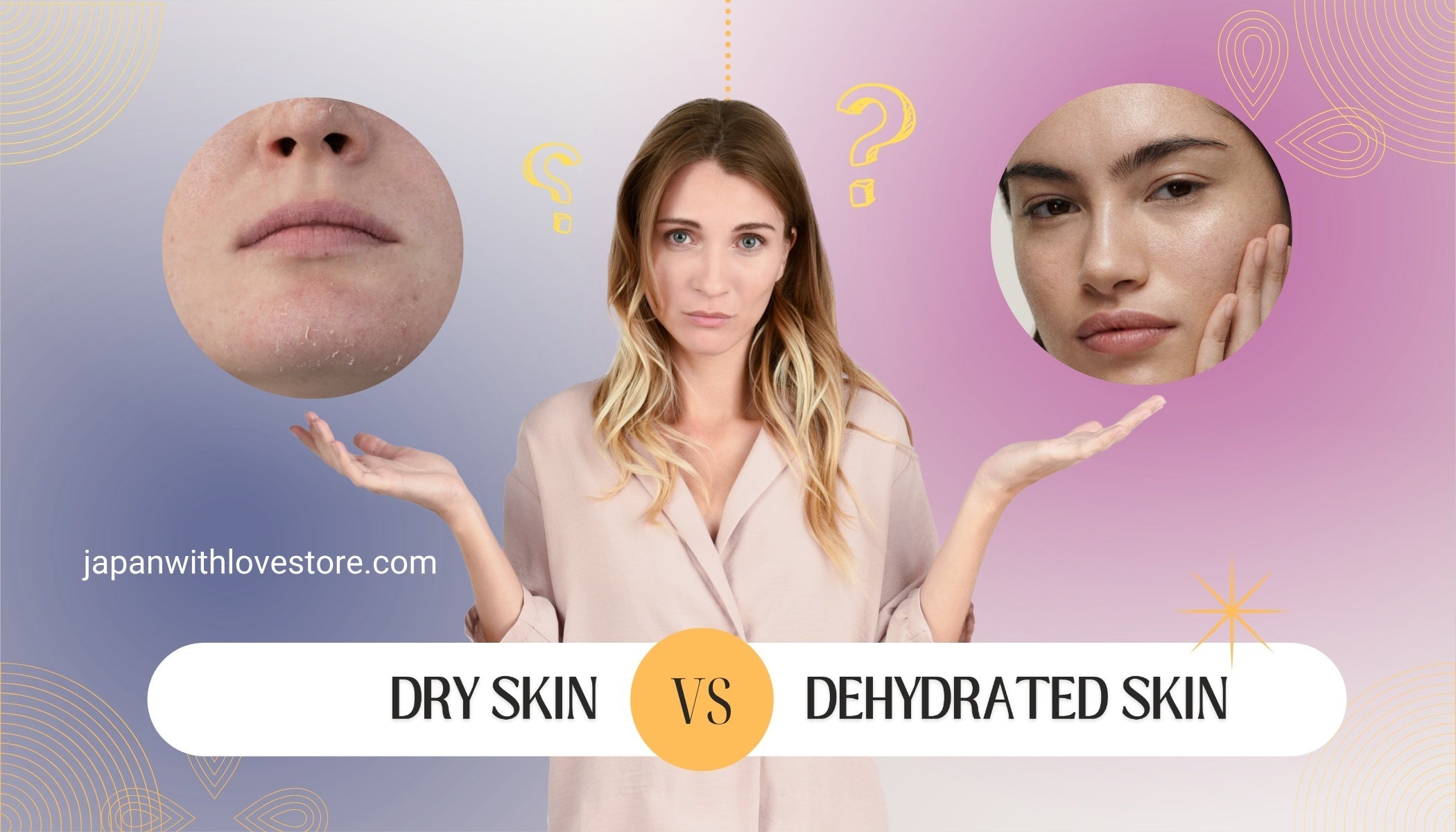
Dry Skin Vs Dehydrated Skin: Know The Difference & Get Relief
- 0 comments
- by Yuzuki Tsukihana
Healthy skin is more than just a pretty face; it's our body's first line of defense against the outside world. It keeps us hydrated, regulates temperature, and protects us from harmful elements. Yet, many of us struggle with dryness, a frustrating issue that can leave skin feeling tight, flaky, and dull. But is it truly dry skin, or could it be dehydration?
Understanding the difference between dry skin vs dehydrated skin is key to achieving a healthy, radiant complexion. This Japan With Love post will clear up the confusion and help you tell if your skin is dry or dehydrated, so you can finally find the relief you deserve.
Japanese skincare routines focus heavily on preventing problems before they arise. This includes protecting the skin from sun damage, maintaining a high level of hydration, and using products that support the skin’s natural barrier, this is especially important for dry skin. Dry skin isn't just a passing phase; it's a skin type characterized by a lack of natural oils. Our skin produces sebum, a waxy substance that helps lock in moisture and keep it supple. However, some people simply produce less sebum, making their skin more prone to dryness.
This lack of oil can manifest in several uncomfortable ways. Dry skin often feels tight and uncomfortable, especially after cleansing or showering. It can become flaky and develop itchy patches. The texture can feel rough and uneven, lacking the smooth, plump appearance of well-hydrated skin.

Dry skin: Tight, flaky, and lacking moisture, it craves hydration and nourishment
Several factors can contribute to dry skin. Genetics play a role, with some people naturally predisposed to producing less sebum. Climate can also be a culprit, as dry, cold winters or hot, sunny summers can deplete the skin's moisture. Even our daily habits can influence dryness. Hot showers and harsh soaps can strip away natural oils, leaving skin feeling even tighter.
Dehydrated skin, unlike dry skin, is not a permanent skin type, but rather a temporary skin condition. It occurs when the skin loses too much water, leaving it parched and lacking its natural plumpness.
While dry skin lacks oil, dehydrated skin lacks water content. This vital component plays a crucial role in maintaining the skin's structure and keeping it looking healthy. When dehydrated, the skin can appear dull and lacklustre. Fine lines may become more noticeable, and the overall texture may feel temporarily tight or dry.
Dehydration can be triggered by various external factors. Excessive sun exposure draws water away from the skin. Dry climates with low humidity can also contribute. Additionally, certain lifestyle habits can deplete the skin's water content. Caffeine and diuretics, for example, are known to increase urination, which can lead to dehydration throughout the body, including the skin.
While both dry and dehydrated skin can leave your face feeling uncomfortable, the root causes and solutions differ. This table breaks down the key distinctions between dry skin vs dehydrated skin:
|
Feature |
Dry Skin |
Dehydrated Skin |
|
Cause |
Lack of natural oil production (sebum) |
Lack of water content in the skin |
|
Symptoms |
Tightness, flaking, itchiness, rough texture |
Dullness, fine lines, temporary dryness |
|
Persistence |
Chronic skin type |
Temporary condition |
|
Examples of Triggers |
Genetics, climate, hot showers, harsh soaps |
Sun exposure, dry climate, caffeine, diuretics |
Ready to unveil your skin's radiant potential? Explore our newest blog about Honey Skincare to see the benefits of honey for the ski.
So, how do you determine if your skin is truly dry or simply dehydrated? A simple at-home test can offer some clues:
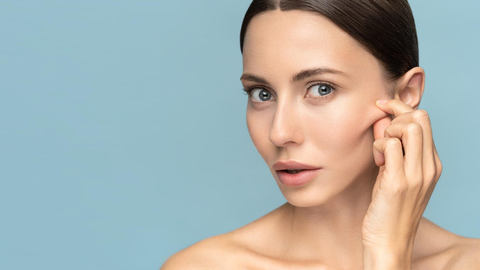
The pinch test helps distinguish dry skin vs dehydrated skin by assessing elasticity
This test provides a basic indication, but it's not foolproof. Here are some additional factors to consider:
Have you ever wondered if there's a secret weapon in Japanese or Korean skincare that could be the missing piece for your dry or dehydrated skin? Both offer unique philosophies and hero ingredients.
Dive deeper into our blog to explore the world of Japanese vs Korean skincare and discover which approach might be the perfect fit for you!
The good news is, regardless of whether your skin is dry or dehydrated, there are steps you can take to find relief and achieve a healthy, hydrated complexion. Here are some key strategies:
The VT Cica Vital Mask is a popular choice for dry skin, formulated with centella asiatica extract (cica) for soothing and hyaluronic acid for deep hydration.

However, the type of moisturizer you choose, and whether you consider a BB cream, can make all the difference:
Choosing the best BB cream for dry skin will not only even out your skin tone but also provide much-needed moisture throughout the day.
By incorporating these practices into your routine, you can give your skin the care it needs to feel and look its best.
Absolutely! While dry and dehydrated skin are distinct conditions, they can sometimes coexist. For example, someone with naturally dry skin (due to low sebum production) can also experience occasional dehydration from external factors like sun exposure or travel.
If you suspect you have both concerns, focus on a balanced approach. Use a gentle cleanser and incorporate a combination of oil-based and water-based moisturizers throughout the day. Hyaluronic acid serums can also be a great addition to your routine to provide an extra boost of hydration.

It's possible to have both dry and dehydrated skin
Both dry and dehydrated skin benefit from a gentle approach. Here are some ingredients to avoid:
Dry skin vs dehydrated skin, while often confused, are distinct concerns with different solutions. By understanding these differences, you can finally achieve the healthy, hydrated complexion you deserve.
Implement the tips outlined above, like staying hydrated, using gentle cleansers, and moisturizing regularly. Choose the right moisturizer for your needs, and don't hesitate to consult a dermatologist for personalized advice. With the right approach, you can unveil your skin's true radiance and feel confident in your healthy glow.
Follow Japan With Love for more tips and updates on beauty products that will take your skincare routine to the next level.

Yuzuki Tsukihana
Yuzuki Tsukihana is a Japanese beauty writer and researcher with over 8 years of experience in the skincare and cosmetics industry. She holds a Master of Science in Cosmetic Science from the University of Cincinnati (USA), where she specialized in skincare formulation, ingredient efficacy, and product safety.



Share:
Unbiased Bioderma Sensibio Reviews: Top 7 Go-to Products
Why Is Hydration Important For Skin: Tips To Combat Dryness!